
Feb 26, 2026
Apple and Google Announce Partnership to Bring Gemini to Siri
Apple will integrate Google's Gemini models into Apple Intelligence, marking a major shift in how Siri and iOS features are powered.
Apple Google
Read more
The latest developments in artificial intelligence, updated multiple times daily. From breakthrough research to industry announcements.
Apple will integrate Google's Gemini models into Apple Intelligence, marking a major shift in how Siri and iOS features are powered.

Anthropic expands Claude with department-specific plugins, custom development tools, and a marketplace aimed at enterprise customers.
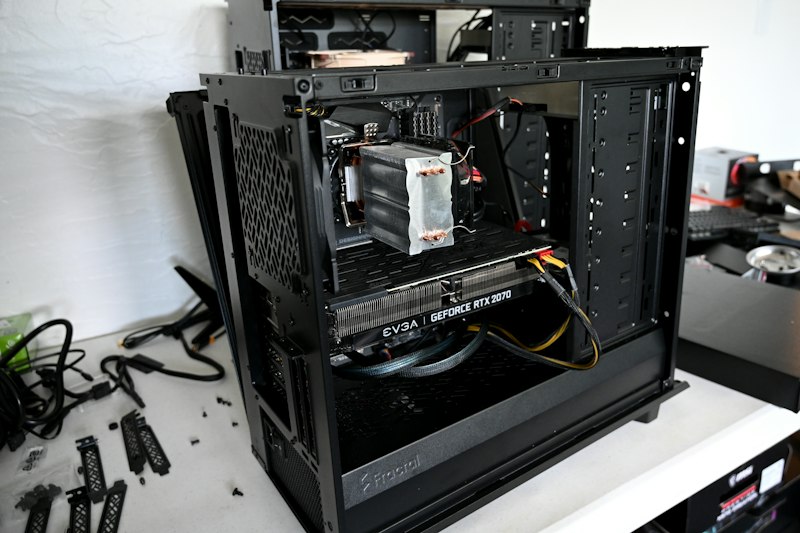
NVIDIA unveils details on its next-generation AI system, set to ship in the second half of 2026 with major efficiency improvements.
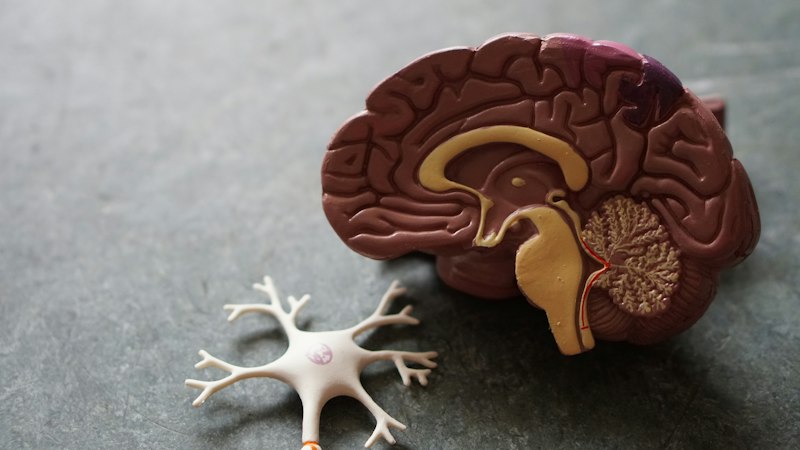
University of Michigan researchers develop AI that analyzes brain scans instantly, accurately detecting neurological conditions and prioritizing urgent care.
Claude Sonnet 4.6 delivers significant improvements in coding, computer use, and long-context reasoning while maintaining the same pricing.
Apple prepares to launch visual AI features across its wearable lineup, with announcements expected at the March 4 event.

New autonomous machine learning platform automates the entire ML pipeline and demonstrates competitive performance against human data scientists.

French AI company Mistral AI acquires Koyeb to strengthen its compute infrastructure and deployment capabilities.

Enterprise data platform Snowflake partners with OpenAI to make GPT models natively available across its platform.

Google releases Gemini 3.1 Pro with advanced reasoning capabilities, achieving record scores on the ARC-AGI-2 benchmark.

University of New Hampshire researchers use AI to identify 25 new high-temperature magnetic compounds for electric vehicles and clean energy.

The startup founded by AI pioneer Fei-Fei Li raises massive funding from AMD, NVIDIA, and Fidelity to advance 3D world generation.

Major medical institution announces comprehensive program to integrate AI into clinical care and biomedical research.
OpenAI's latest coding model is 25% faster than its predecessor and tops major benchmarks for complex software engineering tasks.